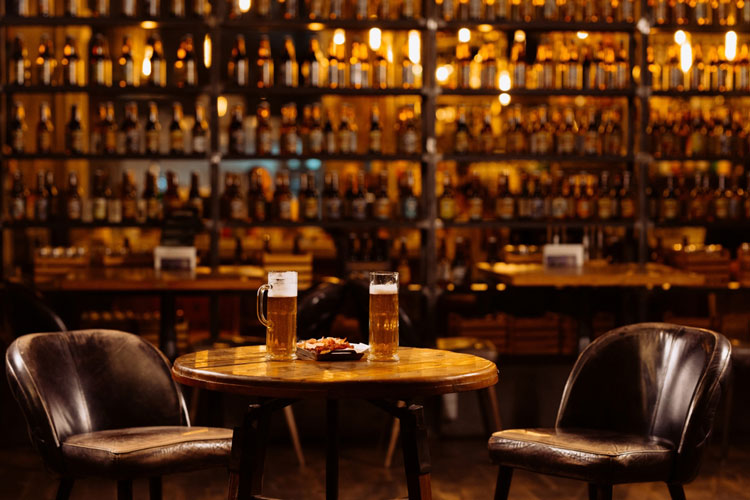
Designing a dining area with limited square footage is one of the biggest challenges restaurant owners face. Every inch must serve a purpose—comfort, flow, compliance, and profitability all depend on how efficiently space is used. Choosing the Best Restaurant Tables for Small Spaces is not just about aesthetics; it directly affects seating capacity, customer experience, and revenue potential.
Small restaurants, cafés, bakeries, and quick-service concepts can thrive with the right furniture strategy. Thoughtfully selected tables allow operators to maximize seating without creating a cramped or uncomfortable environment.
Why table choice matters more in compact dining areas
In a small restaurant, the table is the foundation of the layout. Oversized furniture can drastically reduce capacity, while poorly designed pieces can disrupt traffic flow or violate accessibility requirements. Industry guidelines suggest allocating roughly 12 to 20 square feet per guest depending on service style, including space for chairs and circulation.
The goal is to fit the maximum number of guests while maintaining comfort. Adequate spacing between occupied chairs—often around 18 inches or more—is necessary for both safety and customer satisfaction.
When evaluating the Best Restaurant Tables for Small Spaces, operators should consider flexibility, footprint, and how tables interact with chairs, walls, and walkways.
Round tables: efficient and guest-friendly
Round tables are among the most effective solutions for tight dining rooms. Without corners, they improve movement around the room and reduce the chance of bottlenecks. They also encourage conversation and feel less intrusive in narrow layouts.
Small round tables, typically around 28–36 inches in diameter, can seat two to four guests comfortably while maintaining circulation space. Because they allow diners to sit closer together, they are ideal for cafés and casual concepts where turnover speed matters.
Additionally, round tables can often be repositioned easily to accommodate different party sizes, making them highly adaptable for fluctuating demand.
Square tables for modular layouts
Square tables are a favorite for small restaurants because they can function independently or combine to form larger seating arrangements. This modular approach allows staff to adjust configurations throughout the day without rearranging the entire dining room.
Standard square tables around 24–30 inches per side typically seat two guests comfortably, while larger versions can accommodate four. Many restaurants use smaller square tables placed close together—sometimes as little as a foot apart—to maximize density during peak hours, then adjust spacing for comfort during slower periods.
This flexibility makes square tables one of the most practical choices when searching for the Best Restaurant Tables for Small Spaces.
Rectangular tables for wall placement
Long, narrow rectangular tables work especially well along walls or windows, where space is limited on one side. These tables can seat multiple guests while maintaining a minimal footprint in the center of the room.
They are also ideal for communal seating, which can significantly increase capacity in casual dining environments. A single rectangular table can serve several small groups simultaneously, reducing the need for multiple individual tables.
Rectangular designs are commonly used in coffee shops, fast-casual restaurants, and urban dining spaces where efficiency is critical.
High-top tables to utilize vertical space
High-top or bar-height tables create the perception of openness while occupying minimal floor space. Because they are taller, they visually reduce clutter and can make a small room feel less crowded.
These tables are particularly effective near windows, bars, or perimeter areas where traditional seating might block views or traffic. They also encourage shorter dining times, which can improve table turnover and revenue during busy periods.
Space-saving features to look for
Beyond shape and size, modern restaurant tables often include design features specifically intended for compact environments.
- Pedestal bases that eliminate bulky legs and improve chair placement
- Foldable or nesting designs for flexible storage
- Lightweight materials that allow quick reconfiguration
Pedestal bases are especially valuable because they provide more legroom and allow chairs to tuck in completely, reducing the overall footprint when tables are not in use.
Layout considerations that maximize seating
Choosing the Best Restaurant Tables for Small Spaces is only part of the equation. Placement and spacing play an equally important role in capacity and comfort.
Walkways should typically remain at least four feet wide to allow staff and guests to move safely through the dining area. Table-to-table spacing may vary depending on service style, but fast-casual environments often operate with closer spacing than fine dining establishments.
Strategic placement—such as aligning tables in parallel rows or using diagonal configurations—can also influence how many seats fit comfortably in a room.
Balancing capacity with customer experience
While maximizing seating is important, overcrowding can harm the dining experience. Guests value comfort, privacy, and ease of movement. If tables are too close, noise levels increase and service efficiency may decline.
Successful small restaurants strike a balance between density and atmosphere. Thoughtful furniture selection allows operators to increase capacity without sacrificing the ambiance that keeps customers returning.
How Decor N More helps restaurants optimize small spaces
Decor N More specializes in providing commercial furniture solutions tailored to real-world operational needs. Their expertise in selecting the Best Restaurant Tables for Small Spaces helps businesses maximize seating capacity while maintaining style, durability, and guest comfort.
From compact café tables to modular dining systems and custom layouts, Decor N More works with restaurant owners to create efficient spaces that support profitability and long-term success. By combining design knowledge with high-quality products, they help transform even the smallest dining areas into functional, inviting environments. Check our restaurant furniture catalog today!
Frequently Asked Questions
What table shape saves the most space in a small restaurant?
Round and small square tables generally use space most efficiently because they allow flexible placement and better traffic flow.
How much space should be allowed per diner?
Most restaurants allocate roughly 12 to 20 square feet per guest, including table, chair, and circulation space.
Are high-top tables good for small dining rooms?
Yes, high-top tables use vertical space effectively and create an open feel while occupying minimal floor area.
Can modular tables increase seating capacity?
Absolutely. Modular tables can be combined or separated as needed, allowing restaurants to adapt quickly to different party sizes.


Leave a Reply