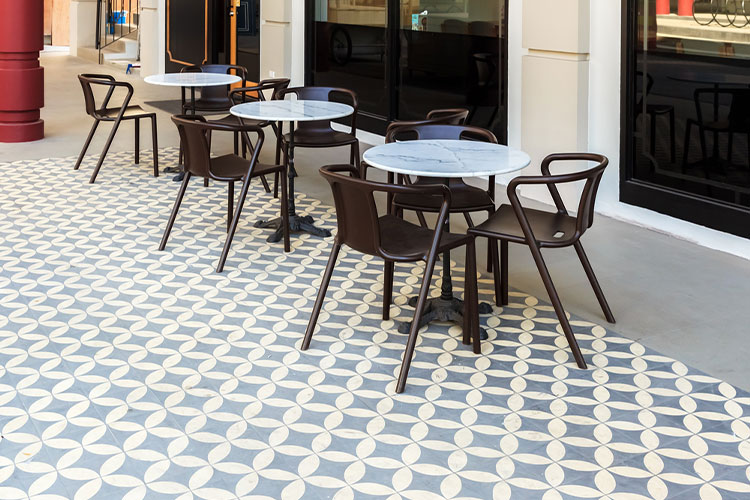
Choosing the right furniture is one of the most important decisions when designing or upgrading your café. This Cafe Tables and Chairs Buying Guide will help you balance durability, aesthetics, and functionality to create a welcoming environment that keeps customers comfortable and encourages repeat visits. From material selection to layout planning, every detail impacts customer experience and operational efficiency.
Cafe Tables and Chairs Buying Guide: Why Furniture Matters
Your furniture directly influences customer comfort, brand perception, and table turnover. Poor-quality seating can lead to frequent replacements, while uncomfortable chairs reduce dwell time. A well-planned selection improves both ambiance and profitability.
Key Performance Factors to Consider
- Durability: High-traffic cafés require commercial-grade materials that withstand daily wear.
- Comfort: Ergonomic seating encourages longer stays and repeat visits.
- Maintenance: Easy-to-clean surfaces reduce operational workload.
- Space Efficiency: Proper sizing maximizes seating capacity without crowding.
- Style Consistency: Furniture should align with your brand identity.
Choosing the Right Materials for Longevity
Material selection is critical in this Cafe Tables and Chairs Buying Guide. Each option offers different advantages depending on your concept and traffic levels.
Wood, Metal, and Composite Options
Solid Wood: Offers a warm, classic aesthetic but requires sealing and maintenance. Ideal for boutique cafés.
Metal Frames: Highly durable and perfect for industrial or modern themes. Resistant to heavy use.
Laminate and MDF: Cost-effective and easy to maintain, commonly used in high-volume establishments.
Outdoor Materials: For patios, consider weather-resistant aluminum or resin.
For more insights on material durability, explore commercial furniture materials.
Balancing Style with Functionality
A successful café design blends visual appeal with operational efficiency. This Cafe Tables and Chairs Buying Guide emphasizes choosing pieces that enhance both.
Matching Furniture to Your Concept
Modern Cafés: Sleek metal chairs, minimalist tables, neutral palettes.
Rustic Coffee Shops: Reclaimed wood tables, mixed seating styles.
Luxury Cafés: Upholstered chairs, marble tabletops, refined finishes.
Casual Grab-and-Go: Lightweight chairs, compact tables, quick turnover layout.
Consistency is key. Mixing styles can work, but it must feel intentional.
Optimizing Layout and Space Planning
Space planning directly affects customer flow and revenue potential. Poor layout leads to congestion, while strategic placement improves efficiency.
Spacing Guidelines
- Table Spacing: Maintain at least 24–30 inches between tables.
- Aisles: Ensure 36 inches for staff movement.
- Table Sizes: Mix 2-top and 4-top tables for flexibility.
- Seating Variety: Include bar seating, lounge areas, and standard dining.
For layout inspiration, visit café layout ideas.
Comfort and Ergonomics Matter More Than You Think
Comfort is often overlooked but plays a major role in customer satisfaction. This Cafe Tables and Chairs Buying Guide highlights ergonomic considerations that improve usability.
Important Ergonomic Features
Seat Height: Standard dining chairs should be 17–19 inches high.
Back Support: Curved backs improve posture and comfort.
Table Height: Standard tables are 28–30 inches tall.
Weight Balance: Chairs should be stable yet easy to move.
Well-designed seating reduces fatigue and enhances the overall experience.
Indoor vs Outdoor Seating Considerations
If your café includes outdoor seating, durability becomes even more critical.
Outdoor Furniture Essentials
Weather Resistance: Use rust-proof metals and UV-resistant finishes.
Stackable Chairs: Easy storage during storms or cleaning.
Stable Bases: Prevent tipping in windy conditions.
Drainage Design: Avoid water pooling on surfaces.
Learn more about patio solutions at outdoor café furniture.
Budget vs Investment: What to Prioritize
While budget matters, cutting corners on furniture can cost more long-term. This Cafe Tables and Chairs Buying Guide recommends prioritizing quality over initial savings.
Smart Investment Tips
Buy Commercial-Grade: Residential furniture won’t last in a café setting.
Warranty Coverage: Look for manufacturer guarantees.
Bulk Purchasing: Reduces per-unit cost.
Modular Options: Easier to replace or expand later.
For budgeting strategies, check restaurant furniture budgeting.
Why Decor N More Hospitality Is the Right Partner
When it comes to sourcing high-quality café furniture, expertise makes all the difference. Decor N More Hospitality specializes in providing durable, stylish, and functional café tables and chairs tailored to your business needs. Their team understands the demands of high-traffic hospitality environments and offers solutions that balance design, comfort, and longevity. Whether you’re opening a new café or upgrading your current space, they deliver professional guidance and premium furniture options that elevate your brand and customer experience.
Frequently Asked Questions
What is the best material for café tables and chairs?
The best material depends on usage. Metal and laminate are ideal for high-traffic cafés due to durability, while wood is better for aesthetics in lower-traffic environments.
How many tables should a small café have?
This depends on your square footage, but most small cafés aim for a mix of 2-top and 4-top tables while maintaining proper spacing for comfort and movement.
Are upholstered chairs good for cafés?
They can enhance comfort and luxury, but they require more maintenance. They are best used in low-turnover or upscale café environments.
How do I choose the right table size?
Standard café tables range from 24 to 36 inches. Choose sizes based on your layout, customer flow, and seating capacity goals.


Leave a Reply