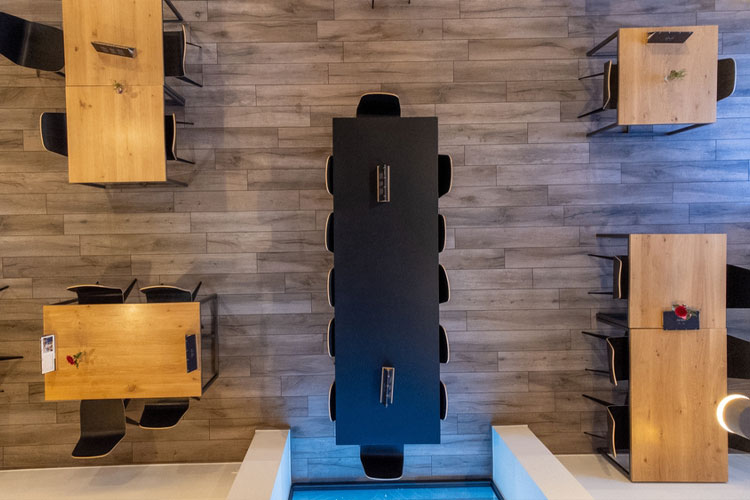
Creating an inviting, functional hospitality space is about more than choosing beautiful furniture — it’s about strategic space planning that blends aesthetics, flow, and purpose. Whether you’re designing a boutique café, a bustling hotel restaurant, or a luxury lounge, the right furniture layout determines how guests experience your space from the moment they walk in.
At Decormore Hospitality, we understand that exceptional design is the art of balancing form and function. Here’s how you can optimize your space to enhance guest comfort, operational efficiency, and brand identity.
- Start with Your Concept and Guest Flow
Before bringing in a single table or chair, define your concept clearly. Is the space meant to feel intimate and cozy, or bright and communal? Do you expect guests to linger, or do you need quick turnover?
Once you’ve established this, visualize guest movement. Paths between tables, from entrances to exits, and around service stations must be intuitive and unobstructed. Leave at least 3–4 feet of clearance in main walkways to ensure smooth traffic flow.
In restaurants, for instance, hosts, servers, and guests should move comfortably without feeling crowded — an essential factor that improves both the guest experience and staff productivity.
- Balance Capacity and Comfort
A common mistake in hospitality layout design is maximizing seating at the expense of comfort. Overcrowding not only disrupts service but also detracts from ambiance.
Instead, strike a balance. Plan your table density based on your target market. Fine-dining restaurants might prioritize spacious arrangements, while casual dining can favor slightly denser seating layouts.
For lounges or hotel lobbies, consider flexible furniture such as modular seating or movable coffee tables. These allow easy reconfiguration for events, social gatherings, or seasonal décor changes — keeping your space dynamic without major redesigns.
- Choose Furniture That Defines Zones
Smart zoning makes large spaces feel intimate and organized. Use furniture placement to create natural boundaries — for example, booths can define dining zones, while low partitions or sofas can separate bar and lounge areas.
Furniture with varying heights also adds visual interest. A mix of bar-height tables, standard dining tables, and lounge seating helps break up monotony and guides the guest’s eye naturally across the space.
Accent lighting and rug placement can reinforce these zones further, adding warmth and identity to each area.
- Consider Accessibility and Code Compliance
In the hospitality industry, accessibility is not optional — it’s a fundamental part of great design. Ensure every guest, including those with mobility challenges, can navigate your space comfortably.
Tables should have at least 36 inches of clearance around them, and entrances must accommodate wheelchairs without obstruction. When working with design professionals or vendors like Decormore Hospitality, verify that every piece of furniture aligns with ADA and local building codes.
Compliance not only avoids costly rework but also enhances your reputation as an inclusive, customer-focused establishment.
- Coordinate Style, Material, and Durability
Every piece of furniture should reinforce your brand’s theme while standing up to heavy use. Hospitality furniture demands high durability — but that doesn’t mean sacrificing style.
Select commercial-grade materials with long-lasting finishes: solid wood, powder-coated metal, and weather-resistant fabrics for outdoor settings. Consistent color palettes and material choices throughout your venue create harmony and elevate the visual appeal.
At Decormore Hospitality, our curated furniture collections are crafted for longevity and designed to reflect your brand’s aesthetic — from modern minimalist to vintage industrial.
- Plan for Flexibility and Future Growth
The hospitality landscape evolves quickly — from changing seating trends to new service models. A well-planned layout should anticipate change.
Choose lightweight, modular furniture that allows quick reconfiguration. For example, stackable chairs and foldable tables enable swift setup for private events or large parties. Incorporating multi-use furniture helps maximize space and reduce operational downtime.
Investing in versatile pieces ensures your space remains relevant, functional, and visually cohesive as your business grows.
- Work with Professionals Who Understand Hospitality Design
While inspiration can come from anywhere, executing a practical and compliant hospitality layout requires experience. Partnering with design professionals who specialize in furniture layout and space planning saves time, ensures optimal traffic flow, and helps you avoid costly design errors.
At Decormore Hospitality, we work closely with owners, architects, and contractors to deliver spaces that are both beautiful and functional. From concept to installation, our expertise ensures every square foot works hard for your business.
Decormore Hospitality
A well-designed hospitality space is more than just décor — it’s a seamless integration of comfort, movement, and brand experience. With the right layout and furniture selection, your guests will not only feel welcome but also remember your establishment for all the right reasons.
For expert guidance and tailored furniture solutions, partner with Decormore Hospitality, your trusted source for commercial furniture design and space planning. Explore our Restaurant Seating Concepts!
Frequently Asked Questions
- What is the ideal space between tables in a restaurant layout?
Typically, allow 3–4 feet between tables for comfortable movement and accessibility. High-traffic areas may require more space. - How do I choose the right furniture for small hospitality spaces?
Opt for multifunctional or modular furniture. Round tables, nesting chairs, and built-in benches can help maximize limited square footage. - How can furniture placement influence guest behavior?
Strategic placement guides guest flow, promotes interaction, and helps define the mood or level of privacy in different areas. - Why is commercial-grade furniture important?
Commercial-grade pieces are built to withstand frequent use, comply with safety standards, and maintain their look and function over time.


Leave a Reply