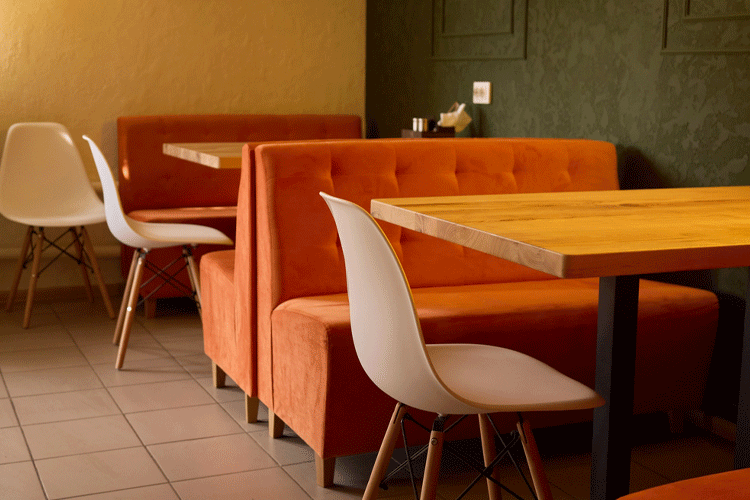
Selecting furniture for a restaurant, hotel, café, bar, or other hospitality environment involves decisions that directly affect design, guest comfort, daily operations, maintenance, and long-term costs. Yet businesses sometimes approach furnishing as if it were simply a matter of finding products that match the desired look.
Hospitality furniture consulting takes a different approach. Instead of beginning and ending with product selection, a consultant considers how furnishings need to perform within the specific commercial environment. The objective is to help owners and designers make informed choices that balance aesthetics, functionality, durability, availability, and budget.
For restaurant owners and interior designers, this guidance can be especially valuable when dozens or even hundreds of furniture pieces must work together as one coordinated environment.
What Is Hospitality Furniture Consulting?
Hospitality furniture consulting is the process of helping businesses evaluate, source, and select commercial furnishings according to the requirements of a specific hospitality project.
The consultant’s role is not simply to recommend what looks attractive.
A useful consultation begins by understanding the project itself: the concept, type of operation, guest profile, available space, expected traffic, design direction, timeline, and budget.
From there, furniture options can be evaluated based on how effectively they support those requirements.
The right furniture solution sits at the intersection of design and operations.
A beautiful chair that is inappropriate for heavy restaurant use is not a good recommendation. Neither is an extremely durable chair that conflicts with the restaurant’s design concept or takes up too much valuable dining room space.
Why Restaurant Owners Benefit From Furniture Guidance
Restaurant owners make furniture decisions relatively infrequently compared with the operational decisions they make every day.
Furniture specialists, on the other hand, continually evaluate different seating types, materials, dimensions, finishes, table configurations, and commercial applications.
That product knowledge can help an operator identify issues that might otherwise be overlooked.
Before recommending furnishings, a consultant may consider:
- The restaurant or hospitality concept
- Desired atmosphere and design direction
- Guest seating duration and comfort expectations
- Expected daily traffic
- Floor plan and available space
- Indoor and outdoor furniture requirements
- Commercial durability and maintenance
- Target budget
- Required quantities
- Project and opening timeline
These questions move the conversation beyond “Which chair looks best?” toward “Which chair works best for this particular business?”
Connecting Interior Design With Commercial Performance
Interior designers create environments that communicate a brand through materials, colors, textures, lighting, furniture, and spatial relationships.
The furniture supplier’s role should complement that creative work.
A designer may identify a specific shape, finish, upholstery style, or visual direction. An experienced hospitality furniture consultant can then help identify commercially appropriate products that support that vision while considering budget, availability, and operational requirements.
For example, Décor-N-More’s restaurant chairs and commercial seating include numerous construction types and design styles. Comparing those options involves more than determining which chair best matches a rendering. Dimensions, materials, comfort, commercial application, and quantity all matter.
This collaboration can help preserve the designer’s vision without overlooking the realities of a working hospitality environment.
Furniture Selection Should Reflect the Type of Operation
There is no universal “best” restaurant chair or table.
The correct choice depends on where and how the furniture will be used.
A high-volume casual restaurant may prioritize durability, cleanability, and efficient seating. An upscale dining concept may place greater emphasis on upholstery, comfort, finishes, and a distinctive visual presentation. A café might require lightweight, flexible furniture that can be rearranged throughout the day.
Bars introduce additional considerations because counter and bar-height seating must coordinate with surface heights and guest comfort.
Outdoor dining creates another category entirely.
A strong hospitality furniture consulting process recognizes these differences and recommends products according to the actual application rather than relying on one furniture solution for every environment.
Balancing the Budget With Long-Term Value
Budget conversations should happen early.
Hospitality projects can range from cost-sensitive renovations to highly customized upscale interiors. Neither approach is inherently better; what matters is selecting products appropriate for the project’s financial and operational objectives.
A consultant can help identify where the budget should be concentrated and where alternative products may provide comparable functionality at a lower cost.
The initial furniture price should also be considered alongside expected service life.
Commercial furniture represents an operating investment. If a lower-cost product needs frequent repair or replacement, its long-term cost can exceed that of a more appropriate commercial-grade alternative.
Value is the relationship between price, performance, design, and useful life—not simply the lowest purchase price.
Why Direct Factory and Importer Relationships Matter
A hospitality furniture company that works directly with factories and importers can provide owners and designers with a broader range of sourcing possibilities.
This is important because projects rarely fit perfectly into one product category or price point.
One restaurant may need economical dining chairs but make a larger investment in statement bar seating. Another may prioritize distinctive tabletops while using simpler chairs. A hotel or hospitality venue may require different furniture packages for dining, lounge, café, and outdoor areas.
Direct sourcing relationships can make it easier to compare products across multiple categories and find options that align with the project’s specific design and financial requirements.
Décor-N-More provides access to a broad selection of commercial hospitality furnishings, allowing restaurant owners and designers to evaluate coordinated furniture solutions rather than treating every item as an isolated purchase.
Furniture Consulting Can Help Prevent Common Purchasing Mistakes
Many expensive furniture mistakes happen before an order is ever placed.
Products may be selected without confirming dimensions. Seating may be chosen without considering the table height. Outdoor furniture may be evaluated using the same criteria as indoor furniture. Owners may underestimate quantities or wait too long to begin sourcing.
Hospitality furniture consulting introduces additional review into the process.
Some of the most important issues to verify include:
- Whether furniture is appropriate for its intended commercial application
- Whether chair and table dimensions work together
- Whether the furniture fits the available floor plan
- Whether materials are appropriate for the environment
- Whether finishes coordinate across different product categories
- Whether quantities include appropriate project requirements
- Whether products fit the established budget
- Whether availability aligns with the project schedule
Addressing these questions before purchasing can reduce the risk of discovering problems after furniture reaches the property.
Indoor and Outdoor Furniture Require Different Thinking
Restaurants with patios, terraces, poolside dining, sidewalk cafés, or other exterior spaces should evaluate outdoor furniture separately.
Environmental exposure changes the requirements for materials and construction.
Commercial outdoor furnishings should be selected with weather exposure, maintenance, durability, weight, and storage requirements in mind. At the same time, outdoor spaces should remain visually connected to the interior concept.
Décor-N-More offers commercial outdoor furniture for restaurants, cafés, hotels, and hospitality venues, providing owners and designers with options for extending the guest experience beyond the interior dining room.
Planning for Future Replacements and Expansion
A good furniture decision should consider tomorrow as well as opening day.
Restaurant chairs can become damaged. A table may eventually need replacement. A successful concept may add seating, renovate another area, or open additional locations.
Furniture consultants can help owners think about consistency and future availability during the initial selection process.
For multi-location restaurant concepts, this becomes even more important. Standardizing key furniture specifications can help maintain a recognizable visual identity while simplifying future purchasing decisions.
Hospitality furniture consulting therefore becomes part of longer-term planning rather than simply a service used during the initial build-out.
When Should You Talk to a Hospitality Furniture Consultant?
Ideally, the conversation begins before the final furniture selections have been made.
Owners and designers gain more flexibility when furniture specialists are involved early enough to discuss alternatives.
Useful times to begin include:
New restaurant openings: Furniture can be evaluated alongside the floor plan, concept, budget, and opening schedule.
Restaurant renovations: Existing furniture can help establish what should be retained, replaced, or updated.
Interior design projects: Consultants can help designers locate commercially appropriate options that support their visual direction.
Outdoor dining expansions: Products can be selected specifically for exterior hospitality applications.
Multi-location growth: Furniture selections can be considered with future consistency and repeat purchasing in mind.
The earlier practical considerations are connected with the design process, the more options the project team generally has.
Expert Hospitality Furniture Consulting From Décor-N-More
At Décor-N-More Hospitality Furnishings, the goal is not simply to sell another chair or table. The company works with restaurant owners, interior designers, hotels, and hospitality professionals to help them make furnishing decisions that make sense for their spaces and operations.
Décor-N-More works directly with leading factories and importers, providing access to commercial restaurant seating, tables, bar stools, café and bistro furniture, outdoor furnishings, and other hospitality solutions across a broad range of styles and price levels.
This consultative approach allows the team to consider the customer’s design objectives, commercial requirements, budget, and project needs together.
From budget-conscious restaurant projects to upscale hospitality interiors, Décor-N-More combines hospitality furniture consulting with direct industry sourcing experience to help customers identify furnishings that balance appearance, performance, functionality, and value.
For restaurant owners and designers, that expertise can turn furniture purchasing from a series of individual product decisions into a more organized furnishing strategy.
Frequently Asked Questions
What does a hospitality furniture consultant help with?
A hospitality furniture consultant helps restaurant owners, designers, and other hospitality professionals evaluate commercial furniture according to design, dimensions, durability, function, budget, availability, and the intended environment. The exact level of assistance varies according to the project.
How do I choose a hospitality furniture supplier?
Look for a supplier that understands commercial hospitality environments rather than simply selling residential-style furniture. Consider product range, commercial knowledge, access to manufacturers and importers, customer support, pricing, product availability, and the supplier’s ability to discuss your project’s specific requirements.
What information should I have before requesting restaurant furniture recommendations?
It helps to know your restaurant concept, approximate quantities, preferred styles and finishes, floor plan or available dimensions, budget range, opening or installation timeline, and whether furnishings will be used indoors or outdoors. The more project information available, the more targeted the recommendations can be.
Can a furniture consultant work with my interior designer?
Yes. Furniture consultants and interior designers can serve complementary roles. The designer establishes the creative vision and spatial direction, while the furniture specialist can help identify commercial products, materials, dimensions, and sourcing alternatives that support the design and project requirements.


Leave a Reply