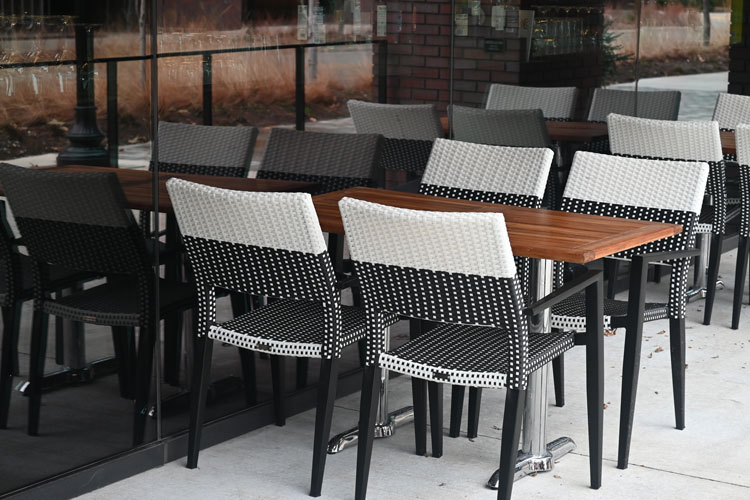
Creating a functional and visually appealing outdoor dining space is one of the most effective ways to increase seating capacity, improve customer satisfaction, and maximize restaurant revenue. The right Restaurant Patio Design Ideas can transform an underutilized exterior area into a profitable extension of your dining room. From traffic flow and seating arrangements to furniture selection and ambiance, every detail influences how guests interact with your restaurant patio.
Restaurants today are expected to offer more than just good food. Guests want comfortable seating, attractive surroundings, efficient layouts, and social-friendly spaces that encourage longer stays and repeat visits. By strategically arranging outdoor restaurant furniture, restaurant owners can increase covers while improving operational efficiency and guest experience.
Why Restaurant Patio Design Ideas Matter for Restaurant Growth
Outdoor dining spaces have become a major factor in customer decision-making. A thoughtfully designed patio helps restaurants attract foot traffic, improve visibility, and create a memorable dining atmosphere.
Strong Restaurant Patio Design Ideas help restaurants:
- Increase available seating without expanding interior square footage
- Improve customer comfort and dining experience
- Enhance customer flow during busy service hours
- Create Instagram-worthy spaces that encourage social sharing
- Boost table turnover efficiency with strategic layouts
Restaurants that invest in functional patio layouts often experience higher guest retention and improved operational performance.
Choose Outdoor Restaurant Furniture That Matches Your Layout
Furniture selection plays a major role in successful patio design. Oversized furniture can make patios feel crowded, while furniture that is too small may reduce comfort and negatively impact guest perception.
The best outdoor restaurant furniture should balance:
Comfort and Space Efficiency
Tables and chairs should provide guests with enough room to dine comfortably without restricting movement for servers and customers. Compact furniture arrangements can maximize seating, but overcrowding can damage the customer experience.
Durability for Commercial Use
Restaurant patios require commercial-grade materials that can withstand weather, spills, UV exposure, and constant daily use. High-quality aluminum, teak, synthetic wicker, and powder-coated steel are popular choices for hospitality patios.
Style Consistency
Your outdoor patio should align with your restaurant’s branding and interior design. Whether your establishment is modern, coastal, upscale, or casual, furniture finishes and layouts should maintain visual consistency throughout the property.
Restaurants looking to improve outdoor guest experiences can also explore hospitality furnishing trends through resources like Decor N More Hospitality Blog for additional inspiration.
Optimize Customer Flow With Smart Patio Layouts
One of the most overlooked elements in Restaurant Patio Design Ideas is traffic flow. Poor layouts create congestion, slow service, and uncomfortable dining experiences.
Create Clear Walkways
Guests and staff should move easily throughout the patio without squeezing between tables or interrupting seated diners. Main walkways should remain unobstructed and wide enough for servers carrying trays and guests entering or exiting the dining space.
Separate Waiting and Dining Areas
Restaurants with high traffic benefit from dedicated waiting sections. Adding benches, lounge seating, or bar-height tables near the entrance can prevent overcrowding near active dining tables.
Position High-Turn Tables Strategically
Smaller two-top tables near entry points or service stations often allow for faster table turnover during peak hours. Larger group seating areas should be positioned in less disruptive sections of the patio.
For restaurants focused on maximizing hospitality seating efficiency, exploring commercial furniture planning insights from hospitality furniture solutions can help improve patio organization strategies.
Use Patio Zones to Improve Dining Experiences
Successful restaurant patios often use zoning techniques to create multiple guest experiences within one outdoor space.
Lounge and Cocktail Areas
Soft seating areas with low tables create social environments perfect for guests waiting for reservations or enjoying drinks before meals.
Dining-Focused Seating
Traditional table arrangements should prioritize dining efficiency and guest comfort while maintaining sufficient spacing between parties.
Private or Semi-Private Sections
Planters, decorative dividers, pergolas, or privacy panels can help create exclusive dining experiences for families, business meetings, or special occasions.
Strategic zoning helps patios feel larger and more organized while accommodating multiple customer preferences.
Incorporate Shade and Weather Protection
Outdoor restaurant seating must remain comfortable in varying weather conditions. Patio design should account for sun exposure, rain, wind, and seasonal changes.
Effective weather protection options include:
- Commercial umbrellas for flexible shade coverage
- Pergolas and covered structures for long-term protection
- Outdoor heaters for cooler evenings
- Fans and ventilation systems for warm climates
- Wind barriers or decorative screens for exposed patios
Restaurants that prioritize guest comfort throughout the year often generate more consistent patio revenue.
Restaurant operators can review additional outdoor hospitality concepts through outdoor furniture design resources to discover modern commercial patio solutions.
Improve Visual Appeal With Lighting and Décor
The visual atmosphere of a patio significantly affects customer perception and guest behavior. Lighting and décor should support the restaurant’s brand identity while creating a welcoming ambiance.
Layered Lighting Design
Combining overhead lighting, wall sconces, pathway lighting, and tabletop candles helps create depth and warmth during evening dining service.
Greenery and Planters
Plants soften commercial spaces while improving privacy and aesthetics. Large planters can also guide traffic flow and separate seating zones.
Consistent Color Themes
Coordinated furniture cushions, umbrellas, decorative accents, and table settings create a polished hospitality appearance.
Restaurants seeking hospitality décor inspiration can explore restaurant design trends to help refine outdoor dining aesthetics.
How Patio Layouts Increase Restaurant Covers
Increasing covers is not simply about adding more tables. Effective patio design improves efficiency, guest comfort, and service speed simultaneously.
Flexible Seating Arrangements
Modular furniture allows restaurants to quickly adapt layouts for couples, large groups, or special events without disrupting customer flow.
Balanced Table Spacing
Proper spacing ensures guests feel comfortable while servers maintain efficient movement patterns.
Visibility for Staff Monitoring
Open sightlines help staff monitor tables more effectively, improving response times and overall customer service.
The best Restaurant Patio Design Ideas focus on operational functionality just as much as aesthetics.
Investing in Commercial Hospitality Furniture Pays Off
Commercial-grade outdoor furniture is an investment that directly affects guest experience, maintenance costs, and long-term profitability. Cheap residential furniture may initially appear cost-effective, but frequent replacements and repairs often create higher expenses over time.
High-quality commercial outdoor furniture offers:
Long-Term Durability
Commercial materials withstand heavy use and outdoor exposure far better than residential products.
Professional Appearance
Premium hospitality furniture elevates customer perception and brand image.
Lower Maintenance Costs
Commercial finishes and materials are easier to clean and maintain during daily restaurant operations.
Restaurants that prioritize durable hospitality furnishings often achieve better long-term returns on investment.
Professional Restaurant Patio Design Makes a Difference
Well-executed Restaurant Patio Design Ideas can dramatically improve customer flow, increase seating capacity, and enhance overall dining experiences. A strategic combination of commercial outdoor furniture, efficient layouts, visual ambiance, and operational planning allows restaurants to maximize patio profitability while creating welcoming environments guests enjoy.
Decor N More Hospitality specializes in helping restaurants create professionally designed hospitality environments with high-quality commercial furniture solutions tailored for restaurants, hotels, resorts, lounges, and outdoor dining spaces. Their expertise in hospitality furniture and restaurant patio planning helps businesses improve guest comfort, operational efficiency, and long-term durability for high-traffic commercial environments.
Frequently Asked Questions
What is the best layout for a restaurant patio?
The best restaurant patio layout balances customer comfort, server accessibility, and seating capacity. Clear walkways, strategic table spacing, and designated waiting areas help improve traffic flow and operational efficiency.
How do restaurants maximize outdoor seating space?
Restaurants maximize outdoor seating by using modular furniture, compact table arrangements, flexible seating zones, and efficient traffic patterns without overcrowding guests.
What type of furniture is best for restaurant patios?
Commercial-grade aluminum, teak, synthetic wicker, and powder-coated steel furniture are among the best choices because they are durable, weather-resistant, and designed for high-traffic hospitality use.
How can outdoor restaurant patios attract more customers?
Attractive outdoor patios with comfortable seating, lighting, greenery, weather protection, and visually appealing décor create inviting dining environments that encourage foot traffic and repeat visits.
Related posts:
 Elevate Your Dining Space with Wholesale Restaurant Furniture from Decor N More Hospitality
 What’s Trending in Restaurant Furniture Design Right Now
 Durable Outdoor Restaurant Furniture for Every Climate: Weather-Resistant Outdoor Restaurant Furniture
 Outdoor Restaurant Furniture for All Seasons: Weather-Resistant Materials That Last
Leave a Reply